
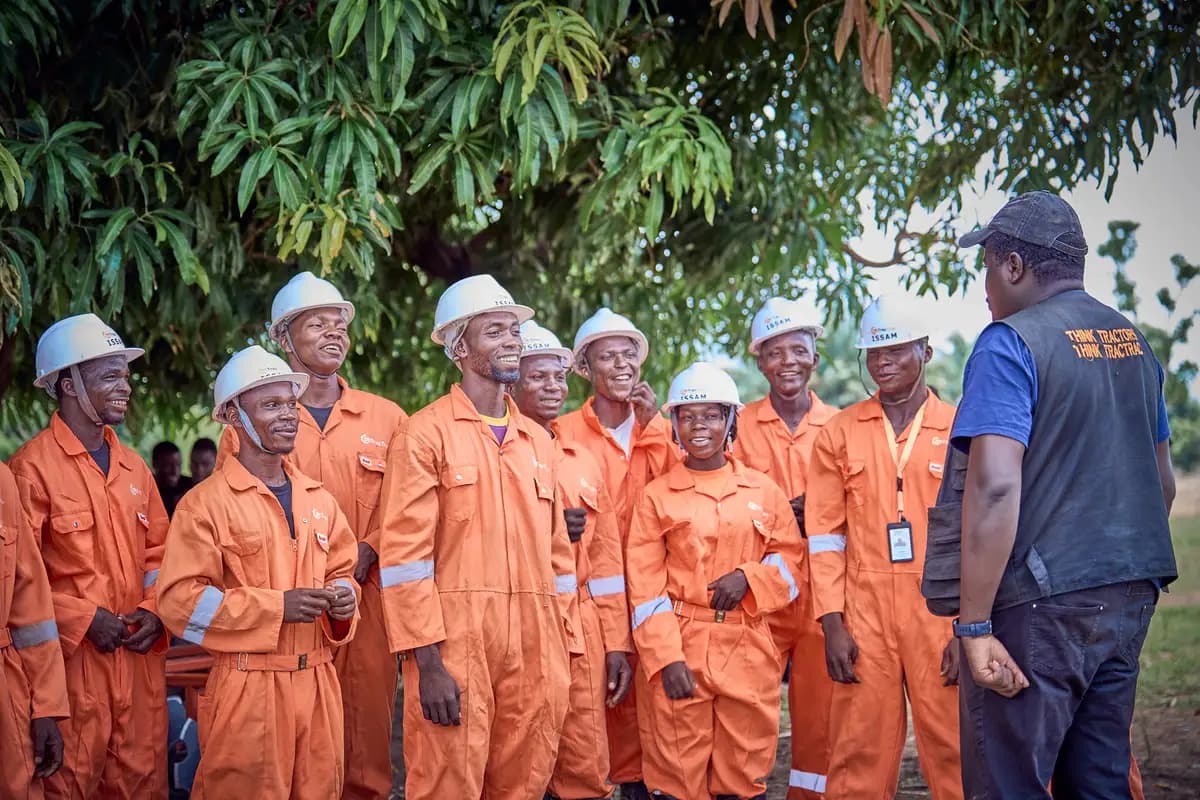
Nigeria's agricultural sector feeds over 200 million people, yet most smallholder farmers, who produce the bulk of the nation's food, still rely on manual labour. Hoes, cutlasses, and back-breaking work dominate farming in rural communities, limiting productivity and keeping farmers trapped in cycles of low yields and poverty.
The solution isn't just more tractors. It's more Mechanization Service Providers (MSPs), trained entrepreneurs who bring equipment, expertise, and affordable services directly to farmers who need them most.
But who exactly is an MSP, and why are they critical to Nigeria's food security and economic growth?
Who is a Mechanization Service Provider (MSP)?
According to the Food and Agriculture Organization (FAO) and the Federal Ministry of Agriculture and Rural Development (FMARD), a Mechanization Service Provider is an individual, cooperative, or firm that offers equipment-based agricultural services to farmers.
In Nigeria's National Agricultural Technology and Innovation Policy (NATIP, 2022-2027), FMARD emphasizes that MSPs are private sector-driven service centers equipped with tractors, assorted farming implements, and technology to provide mechanization services to smallholder farmers who cannot afford to own equipment.
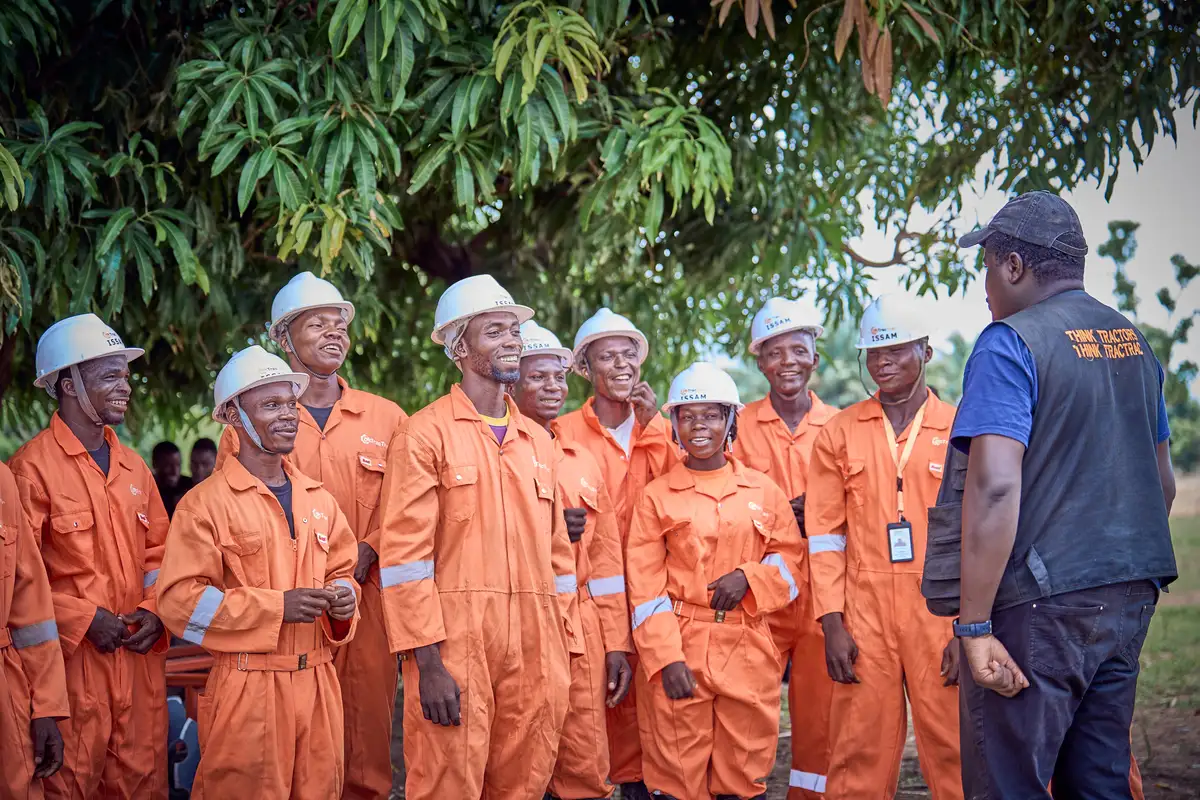
Think of MSPs as the “trained agricultural entrepreneurs who bring mechanization directly to farmers”. They:
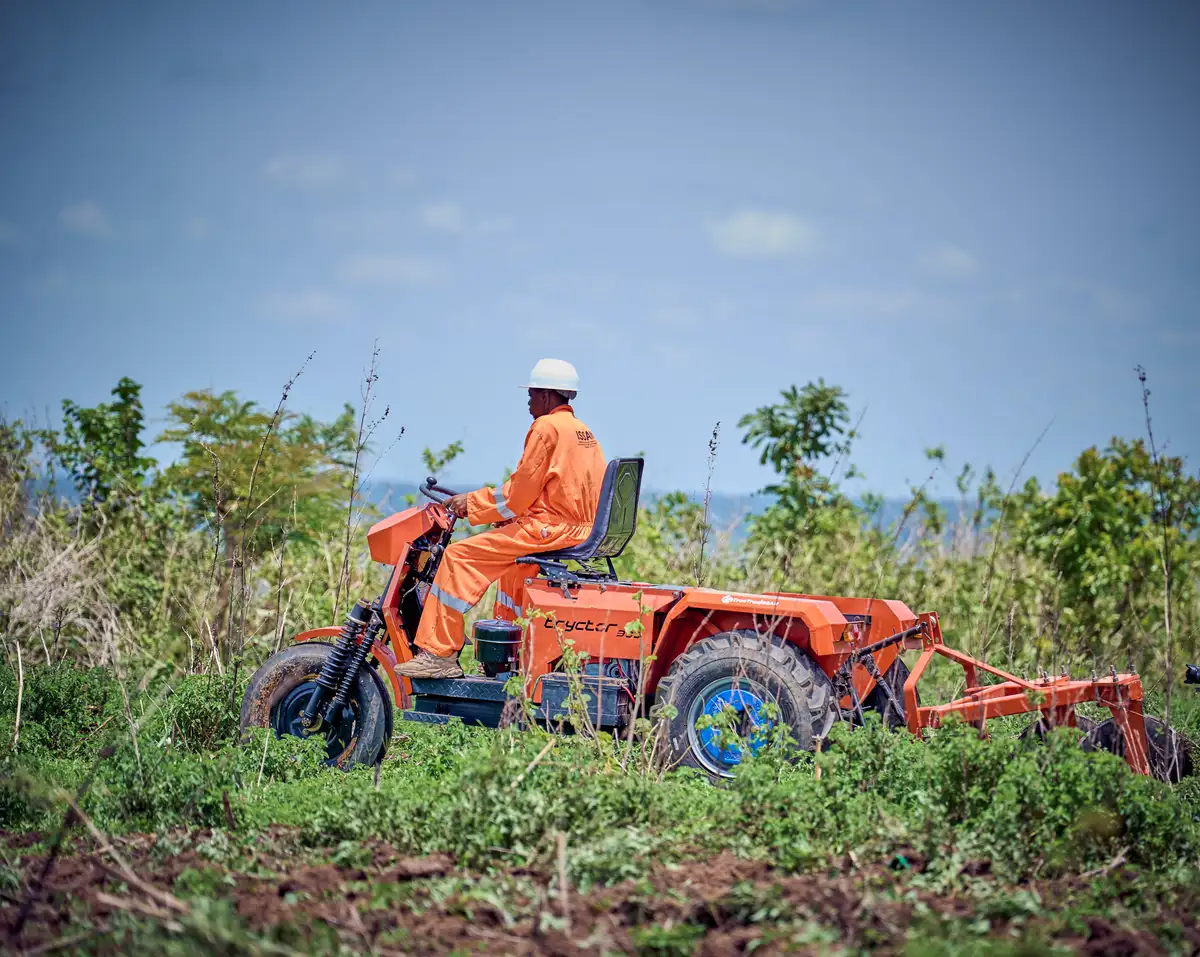
– Operate mechanized equipment like tractors, planters, and harvesters
– Provide land preparation services such as ploughing, harrowing, and ridging
– Offer specialized services including planting, spraying, harvesting, and transportation
– Serve multiple smallholder farmers in their communities, often organized through cooperatives
MSPs don't just drive tractors. They're trained professionals who understand soil management, equipment maintenance, business operations, and customer service. They bridge the gap between large scale mechanization and the smallholder farmers who have been left behind.
Why Nigeria's Smallholder Farmers Struggle Without Mechanization
According to the United Nations Population Fund (UNFPA) Country Programme Document for Nigeria, Nigeria is said to have over 40 million smallholder farmers, most of whom farm on less than 2 hectares. Yet less than 10% of farmland in Nigeria is mechanized, one of the lowest rates in the world. The consequences are severe:
– Low productivity: Manual labour limits how much land farmers can cultivate and harvest on time
– Post harvest losses: Without timely mechanized harvesting, crops rot in the field
– Youth exodus: Farming is seen as grueling, outdated work. Young people leave rural areas for cities
– Food insecurity: Nigeria imports billions of dollars of food annually despite having arable land
The root problem is access, not ownership. Most smallholder farmers cannot afford to buy a tractor or maintain one. Even tractor hiring schemes have failed when equipment breaks down with no one trained to fix it or when owners charge unaffordable rates.
How MSPs Solve the Mechanization Access Gap
MSPs transform the model by making mechanization a service, not an asset farmers must own. They:
1. Make mechanization affordable: Farmers pay per service, for example ₦15,000 – ₦25,000 per hectare for ploughing, rather than buying equipment outright.
2. Ensure equipment is maintained: MSPs are trained in maintenance and have a direct business incentive to keep machines running.
3. Bring services closer to the farmers: MSPs live and work in farming communities, eliminating transportation barriers.
4. Create rural employment: MSPs build sustainable businesses, creating jobs and retaining youth in agriculture.
This service-based model has successfully scaled mechanization in countries like India, Kenya, and Bangladesh. Not through mass tractor ownership, but through a network of trained service providers.
Also Read: Why Nigerian Farmers Still Use Hoes in 2026?
Why Nigeria Urgently Needs More MSPs Now
Nigeria's agricultural transformation depends on closing the mechanization gap, and MSPs are the fastest, most sustainable path forward. Here's why the urgency is real:
1. Food Security is a National Priority
Nigeria's population is projected to reach 400 million by 2050. Food production must double to keep pace, but without mechanization, productivity growth has stalled. MSPs enable farmers to cultivate more land, reduce post harvest losses, and increase yields, directly improving food availability.
2. Youth Unemployment Meets Agricultural Opportunity
With over 30% youth unemployment, MSPs present a new career path in agriculture: entrepreneurial, tech enabled, and profitable. Training young people, including women, as MSPs repositions agriculture into an attractive sector, not one youths flee.
3. Climate Change Demands Faster Planting and Harvesting
Unpredictable rainfall and shorter planting windows mean farmers must act quickly when conditions are right. Manual labour can't keep up. MSPs with mechanized equipment ensure farmers plant and harvest on time, reducing climate related losses.
4. Smallholder Farmers Can Compete, With the Right Support
Mechanization isn't just for large commercial farms. With MSPs, smallholder farmers gain access to the same productivity tools, leveling the playing field and making Nigerian agriculture more competitive regionally and globally.
The Path Forward: Building Nigeria's MSP Ecosystem
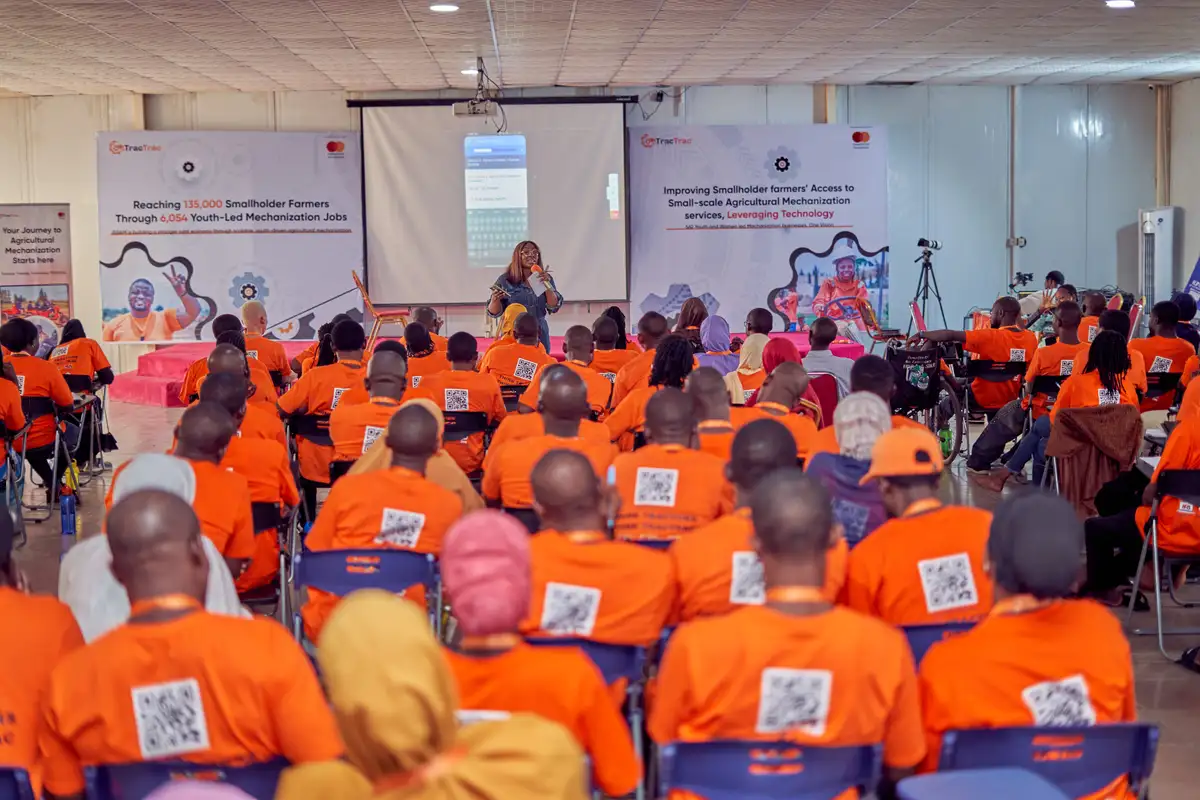
Nigeria doesn't need a few hundred MSPs. It needs thousands. Programs like ISSAM (Improving Smallholder Farmers' Access to Small scale Agricultural Mechanization Services, Leveraging Technology), supported by the Mastercard Foundation and implemented by TracTrac, are training, equipping MSPs across Nasarawa and Kaduna.
But scaling requires:
– More training programs that certify MSPs with both technical and business skills
– Access to equipment financing so MSPs can acquire or lease machinery
– Cooperative models that connect MSPs with farmer groups
– Digital platforms like TracTrac plus that help farmers find and book MSP services easily
The foundation is being laid.
The question is no longer whether MSPs work, but how quickly they can be scaled to reach the millions of farmers who need them.
If Nigeria is serious about feeding itself, creating jobs, and building a competitive agricultural sector, investing in MSPs isn't optional. It's urgent.