
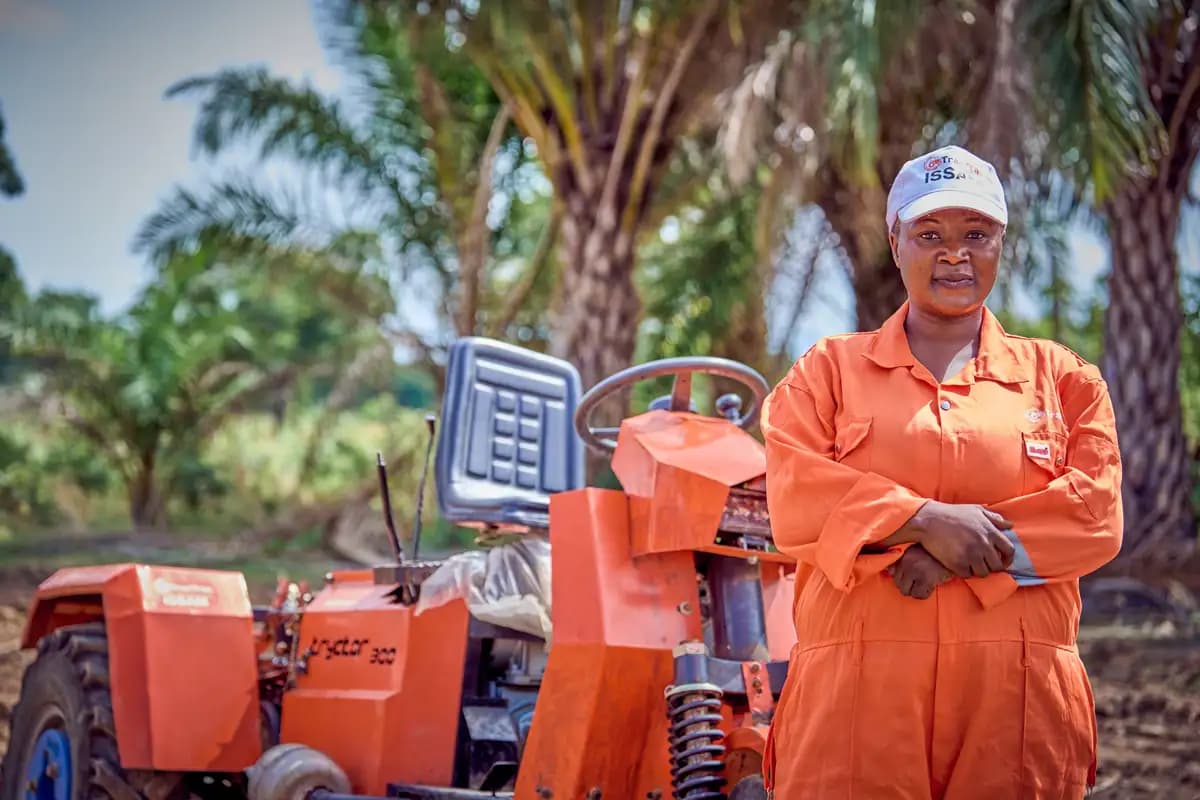
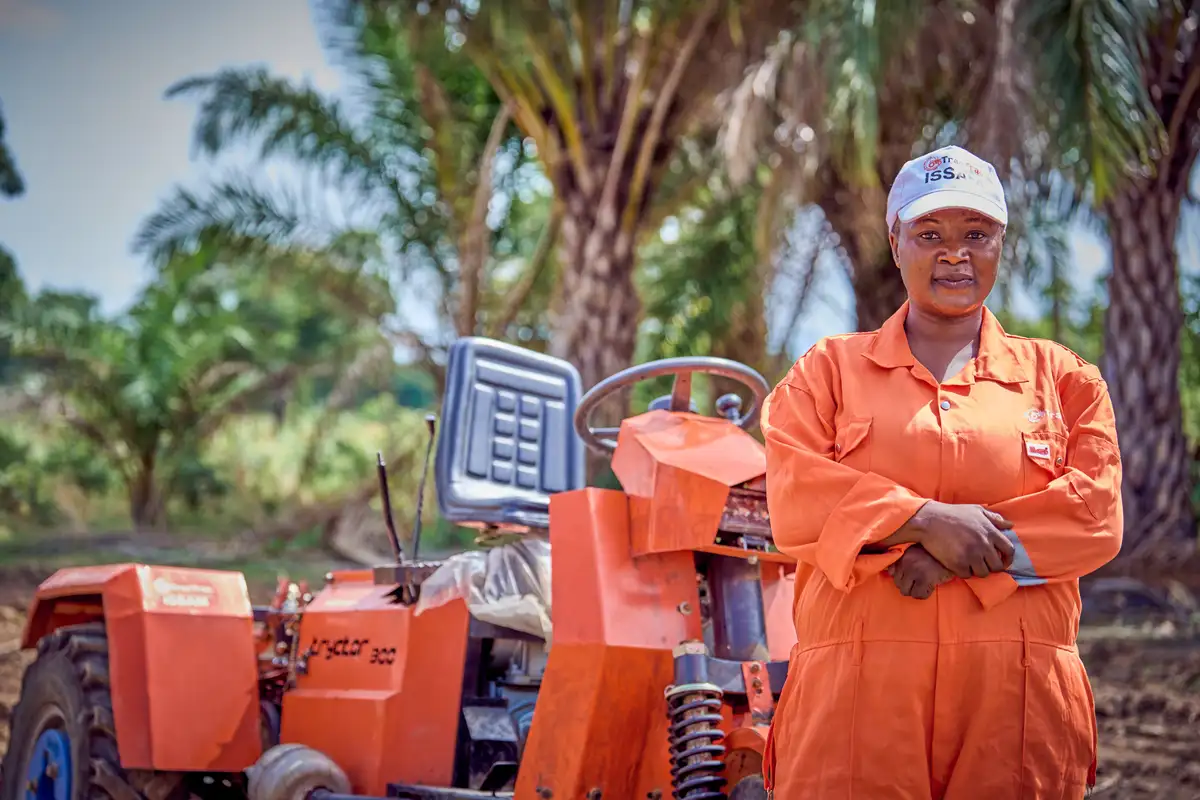
Before the rest of her household wakes up, she is already in the field.
She has prepared the morning meal, settled the children, and walked to her plot, a small piece of land she works with her hands, season after season, with whatever tools she can access. By the time the sun is fully up, she has already done more physical labour than most people will do all day. And she will do it again tomorrow.
She is not an exception. She is the rule. We have seen her across Nasarawa State –in Awe, Obi, Keana, Lafia, and Doma. In Kaduna State: Sabon Gari, Kauru, Makarfi, Kubau, and Zango Kataf. And beyond these regions, she is present in every farming community. Across Nigeria’s farming communities, women are the quiet engine of a food system that feeds over 200 million people. They plant, tend, harvest, process, and trade. They manage household nutrition, make input decisions, and pass agricultural knowledge down to the next generation.
In 2026, the Food and Agriculture Organization of the United Nations has designated this the International Year Of The Woman Farmer (IYWF 2026), a formal global recognition of what communities across Nigeria have always known but rarely said out loud: that women are not just participants in agrifood systems. They are its foundation.
The Scale of What Women Contribute
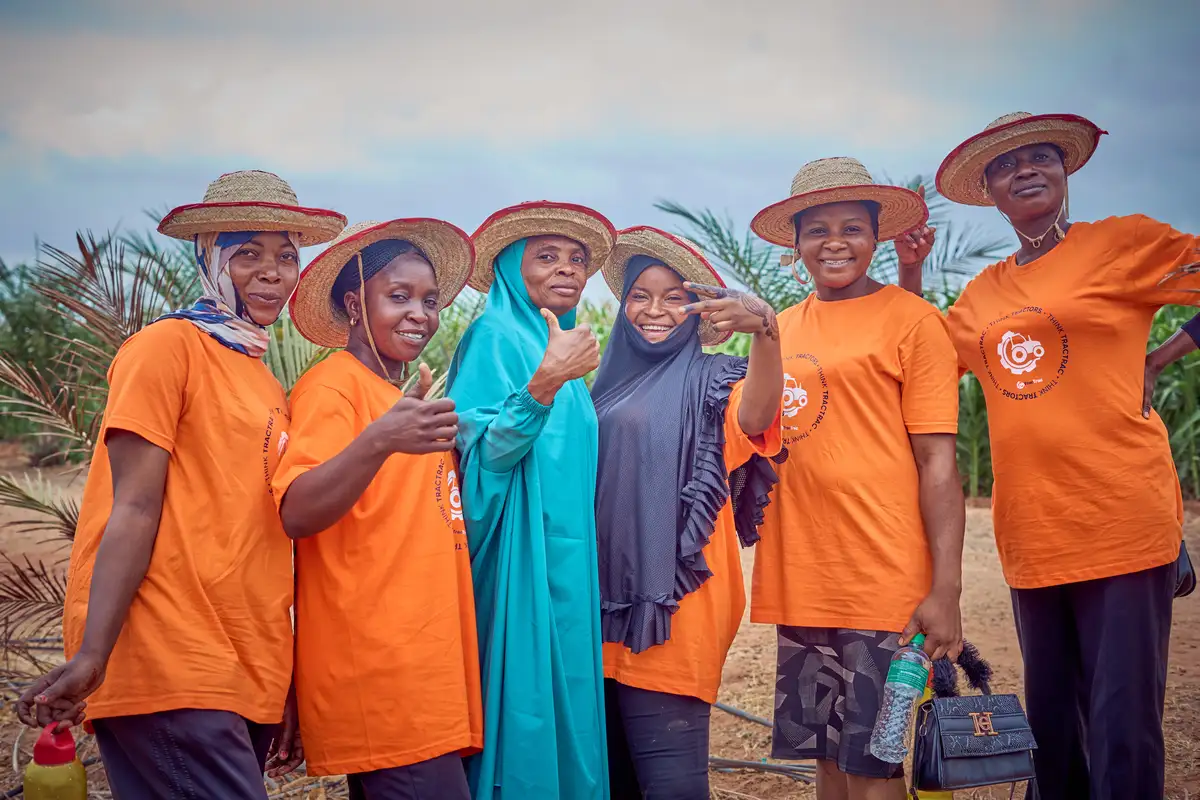
Globally, women make up 41% of the agrifood workforce. In many developing economies, agriculture is a more important source of livelihood for women than it is for men. In Nigeria, women make up an estimated 70% of the agricultural workforce. Women dominate food crop production, make up the majority of processors and market traders, and shoulder the bulk of unpaid care work that keeps farming households functioning.
And yet the gap between what women contribute and what they receive in return is staggering. Women farmers typically work smaller plots than men. Even when they manage farms of the same size, the gender productivity gap sits at 24%, not because women farm less effectively, but because they farm with less. Less access to land. Less access to finance. Less access to mechanization, inputs, extension services, and markets.
Women engaged in wage employment in agrifood systems earn 78 cents for every dollar that men earn. And as climate change intensifies, the burden falls harder on women. Each day of extreme heat reduces the value of crops produced by women farmers by 3% relative to men, because women have fewer resources to adapt.
These are not abstract inequalities. They show up daily in the extra hours worked, the loans not accessed, the machines never hired, and the yields that should have been higher.
The Land Question
In Nigeria, land is power. It determines what a farmer can plant, what credit she can access, and what future she can build. And for most women farmers, secure land ownership remains out of reach.
Cultural norms, inheritance structures, and inadequate legal protections mean that women frequently farm land they do not own, land that can be taken from them when a husband dies, when a family disputes inheritance, or when a community decides otherwise. Without a land title, a woman cannot use her farm as collateral for a loan. She cannot make long-term investments in soil health or infrastructure. She farms season to season, surviving rather than building.
Mrs. Ochelle knows this reality firsthand. The 48-year-old farmer from the Guida community in Kubwa, Abuja, leased a plot and invested her time, labour, and resources into it season after season.
Then the landowner sold it for construction without warning. She arrived one day to find her crops cleared, not even left to mature. She had begged for time. It was not granted.
"I felt crushed," she says. "The wasted time and efforts. But I had nothing to do because it wasn't my land in the first place."
That last sentence captures the trap precisely. Without ownership, there is no recourse, no compensation, and no protection.
The evidence on what changes when this change is unambiguous. Securing women's land rights boosts their investment capacity, strengthens their bargaining power, reduces vulnerability to gender based violence, and improves outcomes for their entire households. Children eat better. Girls stay in school longer. Communities become more resilient.
Land rights are not a woman's issue. They are a food security issue. And until women have secure land, mechanization will always remain one step out of reach.
What Mechanization Changes for Women
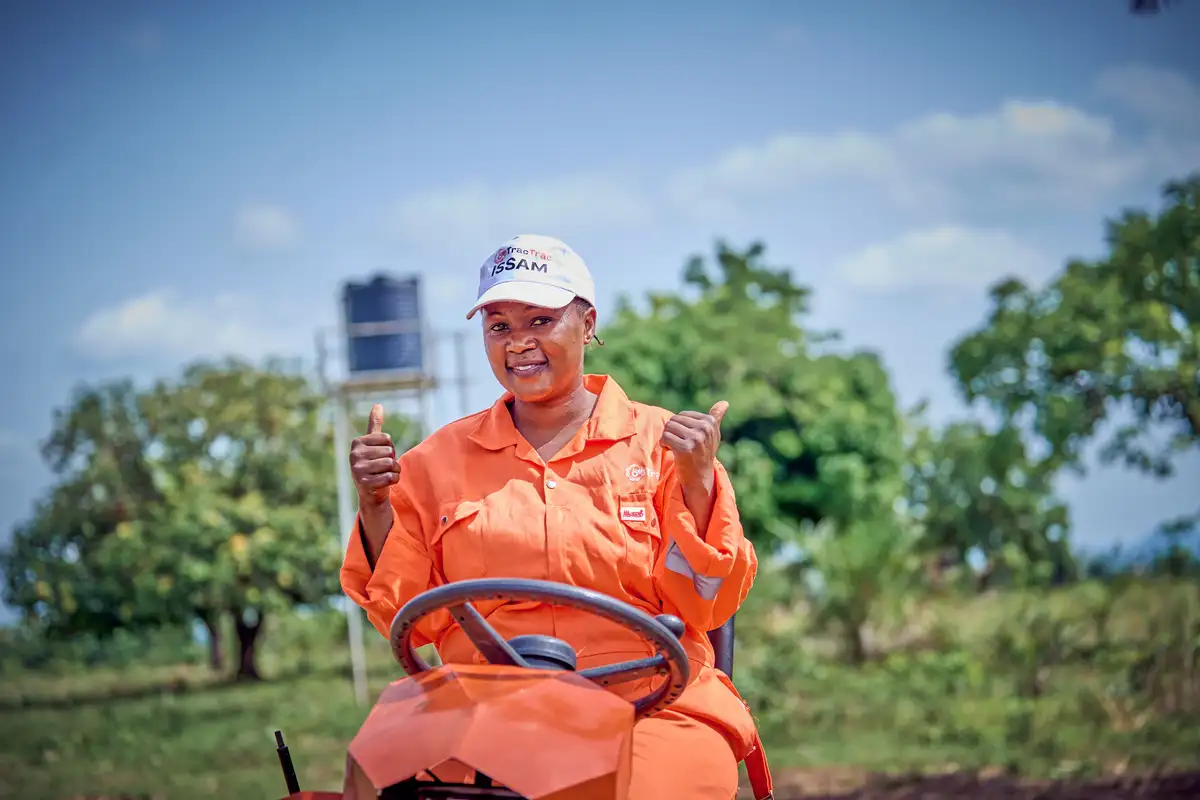
At TracTrac MSL, we work across Nigeria's mechanization value chain, training and deploying Mechanization Service Providers(MSPs). We raise the men and women who put machines in the hands of smallholder farmers at the last mile. One thing we have seen consistently is this: when women gain access to mechanization, whether as farmers being served or as service providers delivering it, the first thing that changes is time. Under the ISSAM program, our goal is to ensure that young women (ages 18–35) make up 50% of our total target of 3,652 participants. Through our Inclusive Agricultural Mechanization Strategy, we are actively dismantling the barriers that limit rural women's access to vital information and opportunities within the mechanization ecosystem.
The hours spent breaking soil by hand are free. The days lost to manual threshing are recovered. That time goes back into the farm, the business, the children, the rest. Mechanization does not just increase yields; it reduces the physical burden that has made farming so punishing for women already carrying disproportionate workloads.
This is why increasing women's participation in the mechanization pipeline matters beyond inclusion as a principle. We are actively working toward having women make up half of the MSPs we train because the closer mechanization services are built by and delivered through women, the more effectively they reach the farmers who need them most.
The numbers behind this are compelling. Closing the gender gaps in farm productivity and wages alone could raise global GDP by one trillion dollars and reduce food insecurity for 45 million people. In Nigeria, the downstream effects of genuinely equipping women farmers with machines, finance, and land security would be transformative at a national scale.
Recognition Is Not Enough
The International Year of the Woman Farmer (#IYWF2026) is a meaningful moment. But recognition without resources is just applause.
Nigerian women farmers do not need to be celebrated from a distance. They need land rights that are legally enforceable and socially respected. They need financing products designed around how they actually farm.
They need mechanization services that reach their plots, not just the large commercial operations down the road.
They need extension services that speak to them directly. They need cooperatives that give them collective bargaining power. And they need policies that treat their inclusion not as a checkbox but as a prerequisite for any serious agricultural transformation.
This is the year to move from acknowledgement to action. From statistics to structures. From good intentions to the kind of investment that actually changes what a woman farmer in Nassarawa or Benue State can do with her land, her labour, and her future.
She has been showing up for Nigeria her entire life. It is time Nigeria showed up for her.