
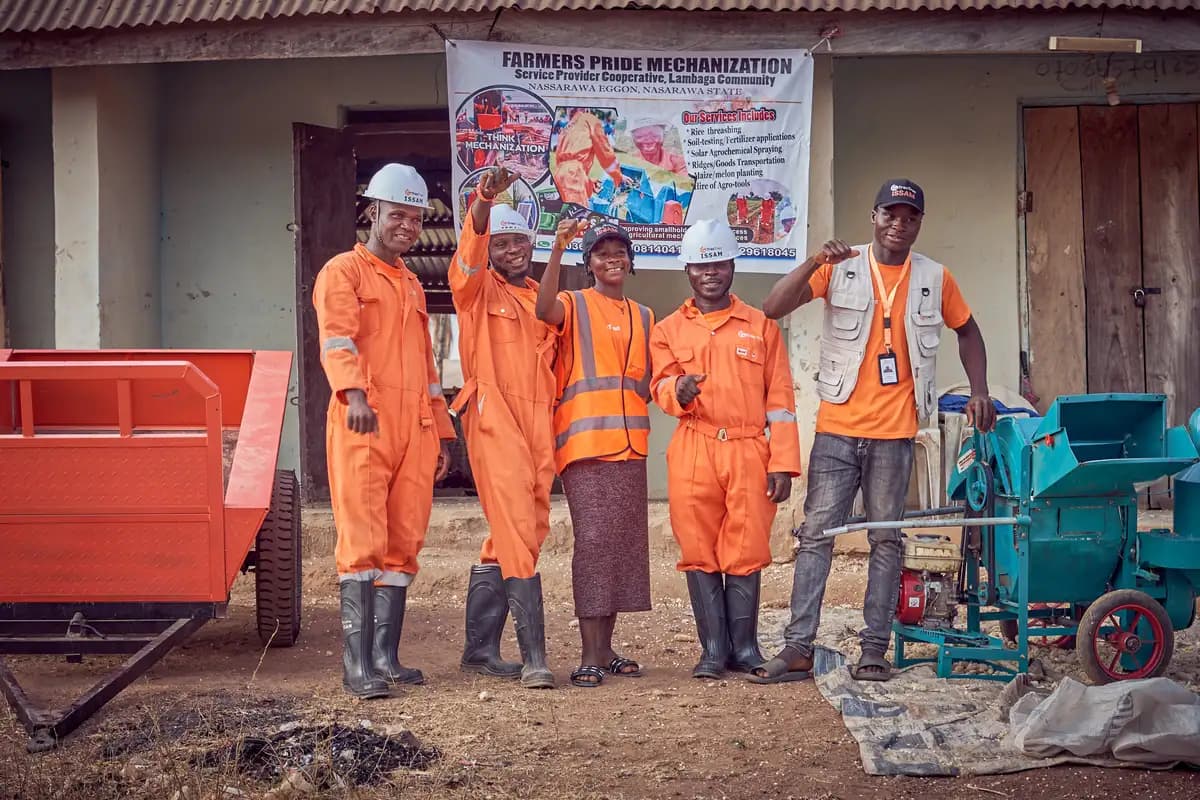
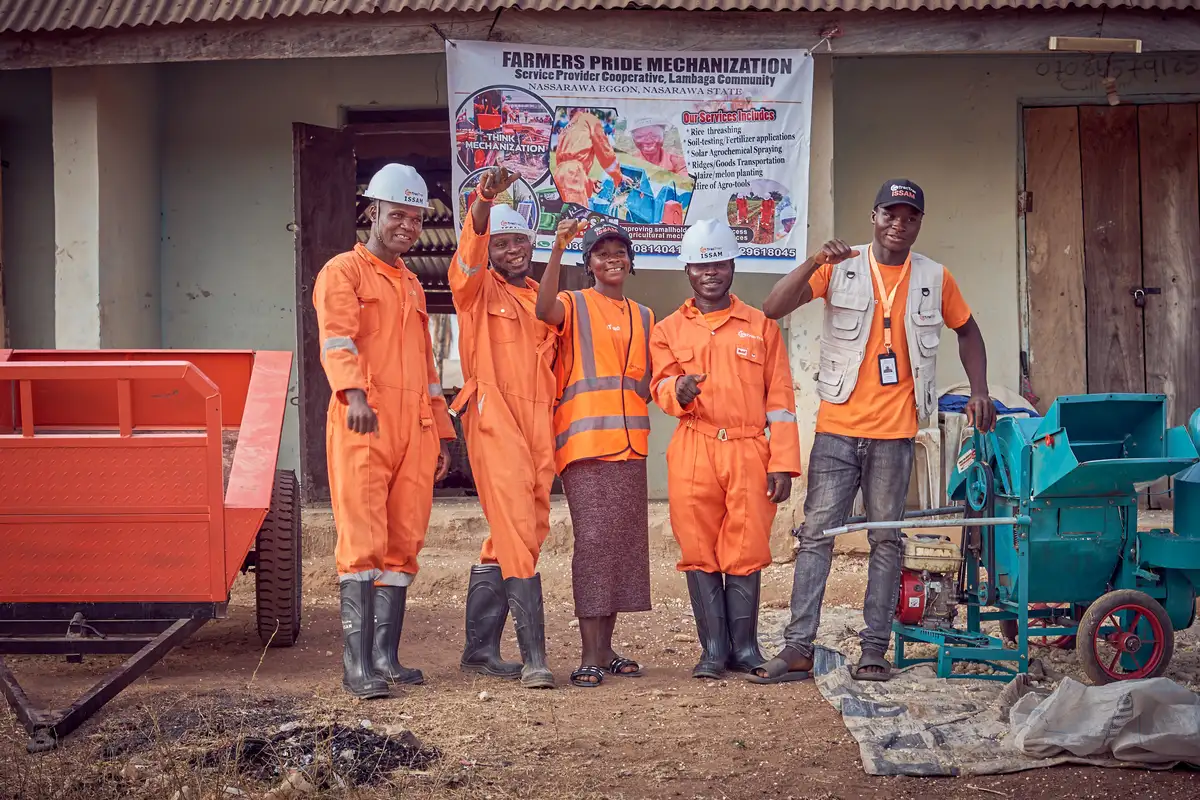
A tractor can prepare more land in a day than a farmer working with a hoe and cutlass. But owning machinery does not automatically create a viable mechanization business. For anyone looking to provide agricultural mechanization services in Nigeria, owning equipment is only part of the equation. Farmers must be connected with available machinery, operators organized, jobs scheduled, costs managed and payments used to sustain the business.
A mechanization cooperative provides a structure for bringing these activities together. Members can pool resources, share responsibilities and coordinate services, but making the arrangement work requires more than bringing people into a group. It requires clear roles, sound business practices and an understanding of how the cooperative will generate and manage income.
So, how does a mechanization cooperative operate, and what does it take to build one that can serve farmers and remain financially sustainable? Jemimah Jennifer Justus, TracTrac’s Investment and Asset Management Team Lead, shares insights from TracTrac’s work in cooperative development and getting them to be investment ready through the ISSAM project.
In this article, we also share how you can apply to join a TracTrac-formed agricultural mechanisation cooperative.
What Is a Mechanization Cooperative?
A mechanization cooperative is a group organized to provide agricultural mechanization services and create value for its members. Members may contribute machinery, technical skills, customer relationships or management capacity. The cooperative may own equipment collectively, coordinate members’ machinery or work with external providers.
A cooperative is more than a collection of people with a common interest, it needs structures for decisions, responsibilities and enterprise management. As Jemimah explains, cooperative structures are typically built around “shared interests, mutual benefit and the voluntary selection of members.” Those principles provide a basis for collective decision-making and enterprise development.
Who Does What in a Mechanization Cooperative?
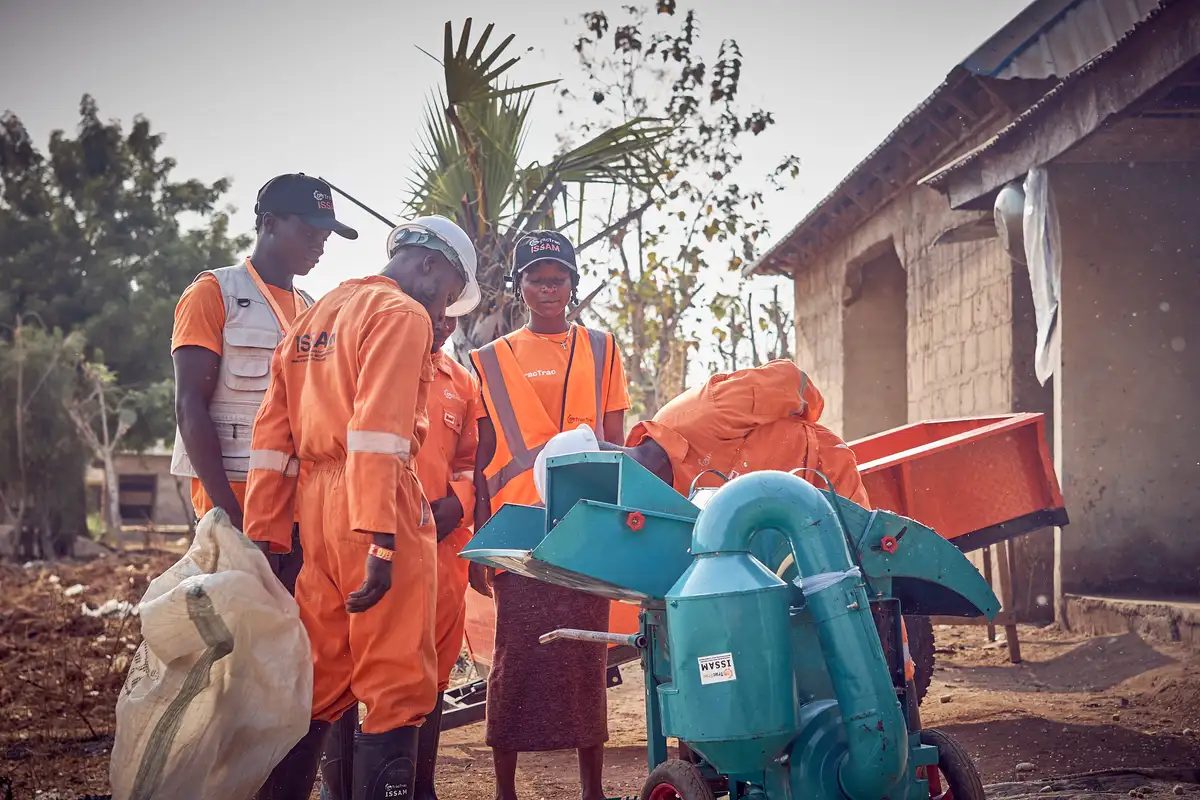
Mechanization services are time-sensitive and operationally demanding. During busy periods, a missed booking, unavailable operator or machine breakdown can mean lost income for the cooperative and a missed opportunity for the farmer. Responsibilities therefore need to be clear, even when members share tasks or some functions are outsourced.
- -The Manager coordinates membership, operations, service delivery and implementation of decisions.
- -The Booking Agent links farmer demand with available services by identifying clients, recording requests and scheduling work. Demand aggregation helps the cooperative understand where services are needed and plan equipment use.
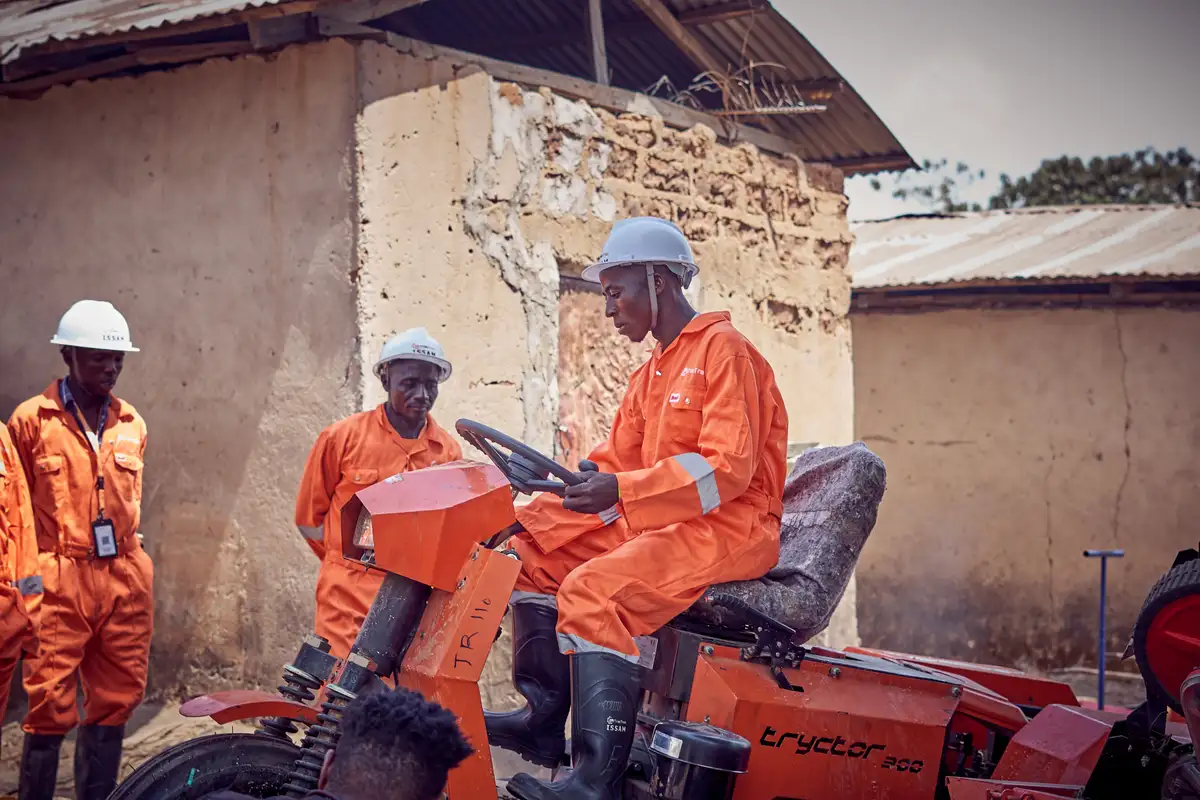
- -Operators use tractors and other mechanization equipment safely and effectively, with appropriate skills, training and any required licences. Staffing depends on the equipment available and the scale of demand.
- -The Financial Secretary records transactions, income, expenses and cooperative activities, including meeting minutes. These records support transparency. The cooperative should also define who approves payments and reviews records.
- -Mechanics or technical support may be needed to keep equipment serviceable. These functions can be outsourced, but responsibility for maintenance and repairs must remain clear.
Jemimah’s point is that role clarity helps a group become a functioning business, rather than remaining a member-based association. As she puts it, “Clear delineation of these responsibilities enables cooperatives to move from being primarily member-based groups to functioning as structured and commercially oriented enterprises.” Defined responsibilities reduce overlap, strengthen accountability and help operations continue when individual members are unavailable.
How Does a Mechanization Cooperative Earn Money?
A cooperative can earn revenue from land preparation, ploughing, harrowing, planting, harvesting and threshing. It may also hire out machinery or coordinate services using members’ equipment.
A reliable booking process confirms the farmer’s needs, location, timing, suitable equipment and the cooperative’s ability to deliver. Price and payment terms should be agreed before scheduling, then the job and payment recorded.
The next challenge is pricing. Charges must reflect the cost of delivering the service, not simply what competitors charge or what a customer is willing to pay. As Jemimah pointed out, “the pricing of mechanization services is influenced by prevailing economic and operational conditions. Key cost drivers include fuel, equipment maintenance, repairs, operator costs, spare parts, transportation and other operational expenses”. If these expenses are not accounted for, a cooperative may collect revenue from jobs without retaining enough to maintain its equipment or meet its other obligations.
That is why revenue and profit are not the same. A viable pricing approach must cover day-to-day operations while also making provision for asset maintenance and replacement, financing repayments where applicable, and the continued operation of the enterprise. As Jemimah further explains, “Effective pricing should enable the cooperative to cover its operational costs, contribute to asset maintenance and replacement, meet financing obligations and generate sufficient revenue to sustain the enterprise.” Pricing should also be reviewed as operating conditions change. The objective is to keep services commercially viable without losing sight of farmers’ ability to pay.
What Does a Mechanization Cooperative Need to Run Well?
Clear roles and sound pricing need practical systems such as agreed governance and dispute resolution, booking records, completed jobs, payments and expenses, an equipment maintenance plan, and business planning that considers demand, seasonal peaks, working capital and cash flow.
These systems are connected. Booking records help show which services farmers request and when demand is highest. Cost records help determine whether those jobs are profitable. Financial records help the cooperative plan for repairs, operating expenses and financing obligations. Without this information, members may find it difficult to make sound business decisions or demonstrate their performance to a potential investor.
How TracTrac Supports Cooperative Development
Through the ISSAM project, TracTrac has supported the development and organization of investment-ready mechanization cooperatives across states in Nigeria, with plans to expand.
According to Jemimah, the TracTrac cooperative framework supports groups to develop their organizational capacity, business systems and cohesion over time. A scored or rated assessment is used to understand each cooperative’s maturity, cohesion, preparedness and institutional strength. This helps identify where a group is in its development and what it may need to strengthen.
Also Read: Who is a Mechanization Service Provider (MSP)? Their Role in Nigerian Agriculture Fully Explained
Support is then shaped around those needs and programme arrangements. It may include mentoring and coaching, training and capacity building, access to financing opportunities and field-specific technical support. The aim is to move cooperatives from formation towards stronger operations and sustainability.
Investment readiness, in this context, is not simply a request for funding. A cooperative needs the organizational capacity and business systems to manage assets, deliver services, generate revenue and meet financial obligations. It must also be able to explain how financing would support its operations and how repayments could be managed. The specific pathway will differ by cooperative, depending on its maturity and identified gaps.
As Jemimah emphasizes, the objective is to build “functional and sustainable enterprises” that create value for members. For mechanization cooperatives, this progression from group formation to organizational maturity and operational readiness is essential to ensuring that mechanization assets translate into reliable services for farmers and sustainable businesses.
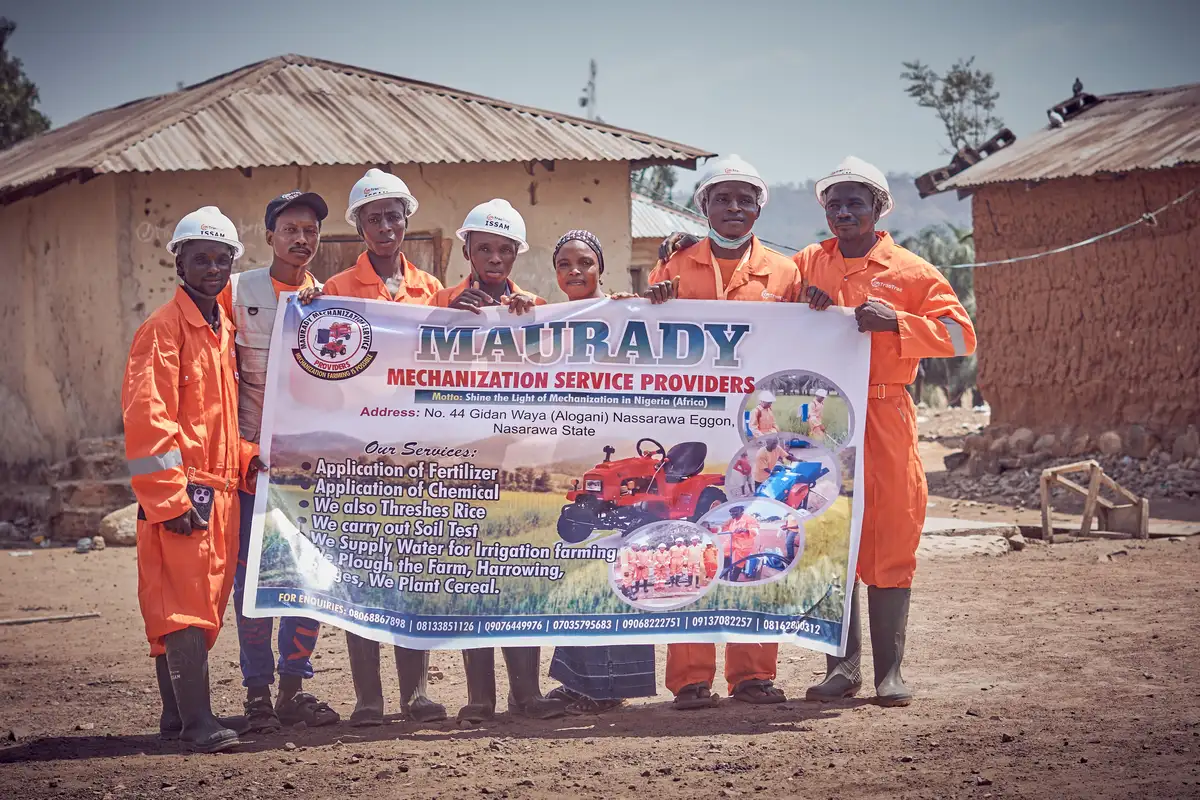
Join a TracTrac-Formed Agricultural Mechanization Cooperative
TracTrac invites individuals, groups and businesses interested in providing or supporting agricultural mechanization services to express interest in joining a TracTrac-formed agricultural mechanization cooperative.
Tractor ownership is not compulsory to express interest. Potential participants may include existing mechanization service providers (MSPs), equipment owners, cooperatives, farmer groups, entrepreneurs and professionals with relevant skills or resources. Applicants should provide accurate information and participate in screening and verification.
How to Apply
Click here to share information about yourself or your group, location, experience, available resources and interest in mechanization. Applications are free. Submission does not guarantee selection and applicants are subject to eligibility checks, screening and verification.