
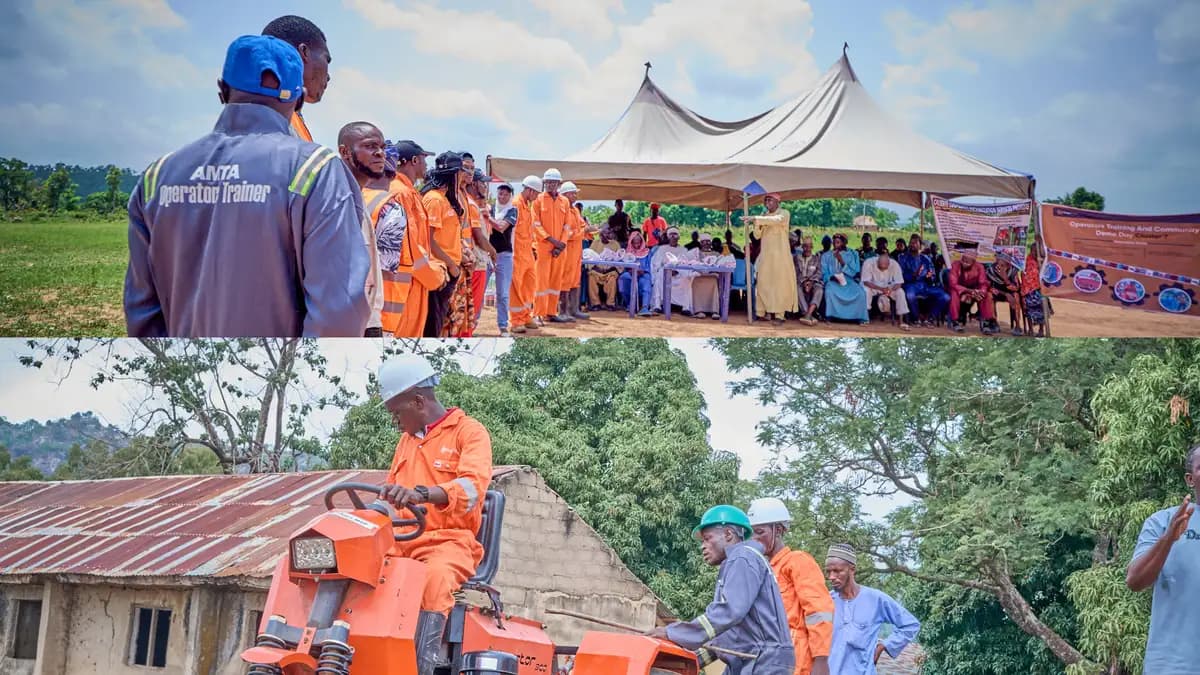
Over 28,000 farmers were reached in April and May as the ISSAM project drives operator training and community demo events with year 1 MSPs across Nasarawa State.
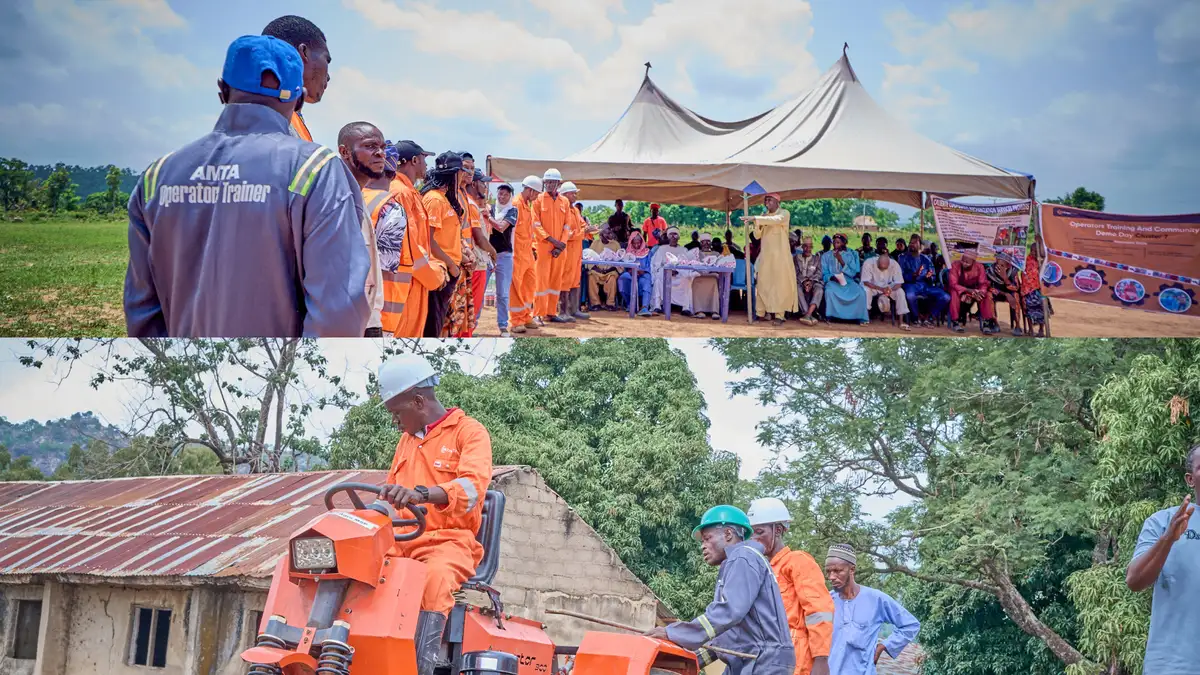
As the ISSAM project enters a deeper phase of field implementation, TracTrac has commenced a targeted round of specialized operator training and community demonstration activities designed to strengthen local service delivery systems across Nasarawa State.
Beginning on 13 April 2026, TracTrac launched a series of intensive tractor operators' training for Mechanization Service Providers (MSPs) across the 5 participating local government areas in Nasarawa State of year 1 under the ISSAM project. 363 operators have been trained across 180 cooperatives formed under the project in Nasarawa State. The training forms part of a broader systems-strengthening approach aimed at ensuring that mechanization services are not only available, but reliable, community-rooted, and commercially sustainable.
Implemented in partnership with the Mastercard Foundation, the ISSAM project is designed to improve access to affordable mechanization services for smallholder farmers while building an inclusive rural enterprise ecosystem that creates dignified work opportunities for youth, women, and persons with disabilities.
Under the ISSAM cooperative model, each cooperative is structured to function as a localized mechanization enterprise with clearly defined operational roles. These include operators, booking agents, mechanics, chairpersons, treasurers, and secretaries. The model is intentionally designed to distribute technical, financial, and administrative responsibilities across cooperative members, helping to strengthen accountability, improve business continuity, and increase local ownership of mechanization services.
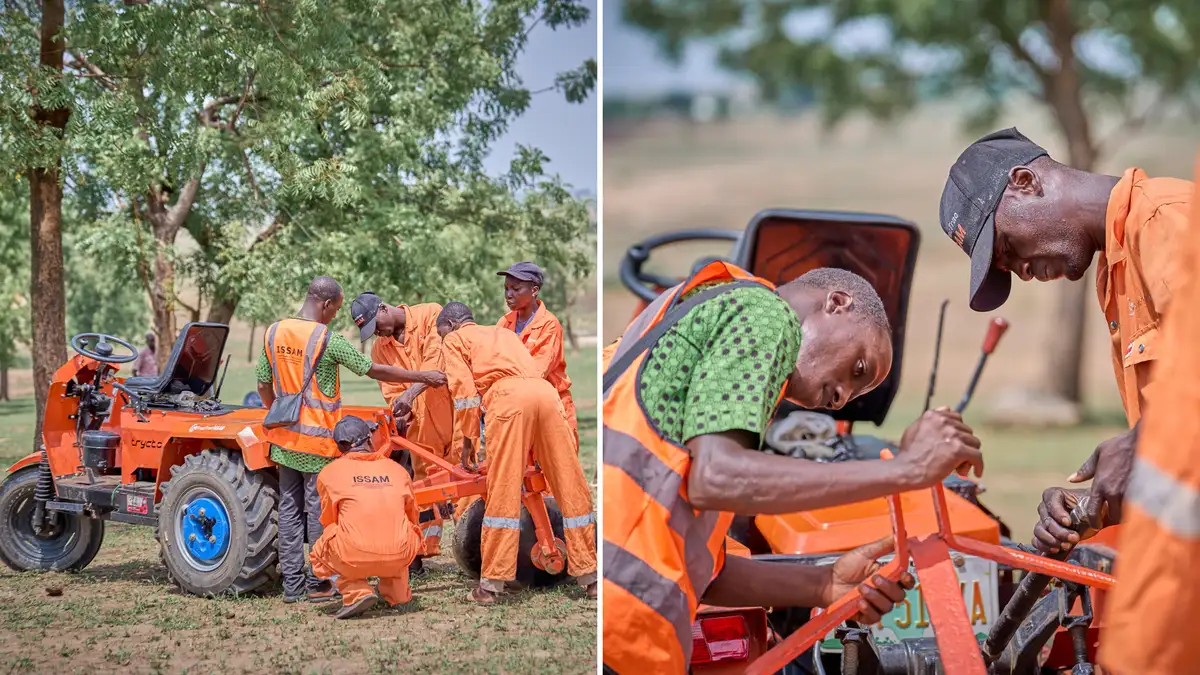
The operators' training specifically targets the individuals responsible for handling and maintaining mechanization equipment within each cooperative. Participants are grouped into geographic clusters based on their local government areas (LGAs), allowing nearby cooperatives to learn, collaborate, and build operational networks together. Depending on proximity, each cluster consists of between three and eight cooperatives.
Over the course of every week, participants undergo intensive practical and technical training. Building on the foundation established during the 2-week ISSAM MSP Capacity Development Training, it is focused on tractor operations, equipment handling, safety protocols, preventive maintenance, and field efficiency.
Beyond technical instruction, the training also reinforces a key behavioral shift embedded within the ISSAM approach: positioning rural mechanization not simply as equipment access but as a professionalized service industry capable of generating sustainable livelihoods and responding to real market demand.
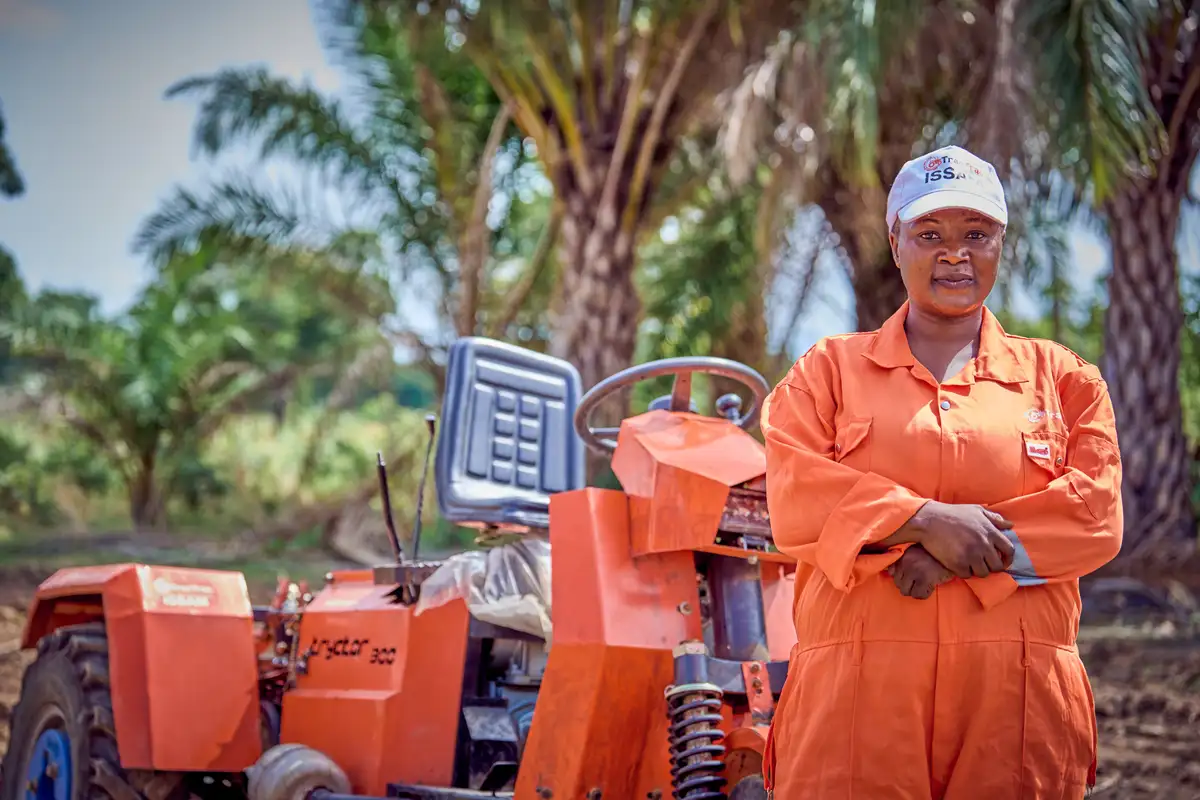
The training is also creating new opportunities for women to participate directly in mechanization service delivery. Habiba Tenimu, an operator with Harmony MSP Cooperative in Wamba LGA, notes that her role has helped the cooperative reach farmer segments that are often underserved by traditional service models:
"Many women farmers prefer to work with me because I am a woman. It has helped us attract more customers and increase our cooperative's finances."
Her experience highlights how greater gender inclusion within mechanization enterprises can strengthen both service accessibility and commercial viability.
At the completion of each training cycle, cooperatives within the cluster jointly organize Community Demo Day events with support from the TracTrac MSL team. The first demonstration event was held on 18 April 2026, and subsequent events have continued every Friday across different clusters in Nasarawa State.
These demonstration activities serve as an important bridge between newly trained MSPs and the farming communities they are expected to serve. For many smallholder farmers, particularly in underserved rural areas, access to mechanization is often constrained not only by affordability but also by limited awareness, trust gaps, and weak last-mile service connections. The Demo Days help address these barriers by creating direct community engagement opportunities where farmers can see equipment in operation, interact with service providers, ask questions, better understand the practical and economic value of mechanized farming systems and even book services at discounted rates.
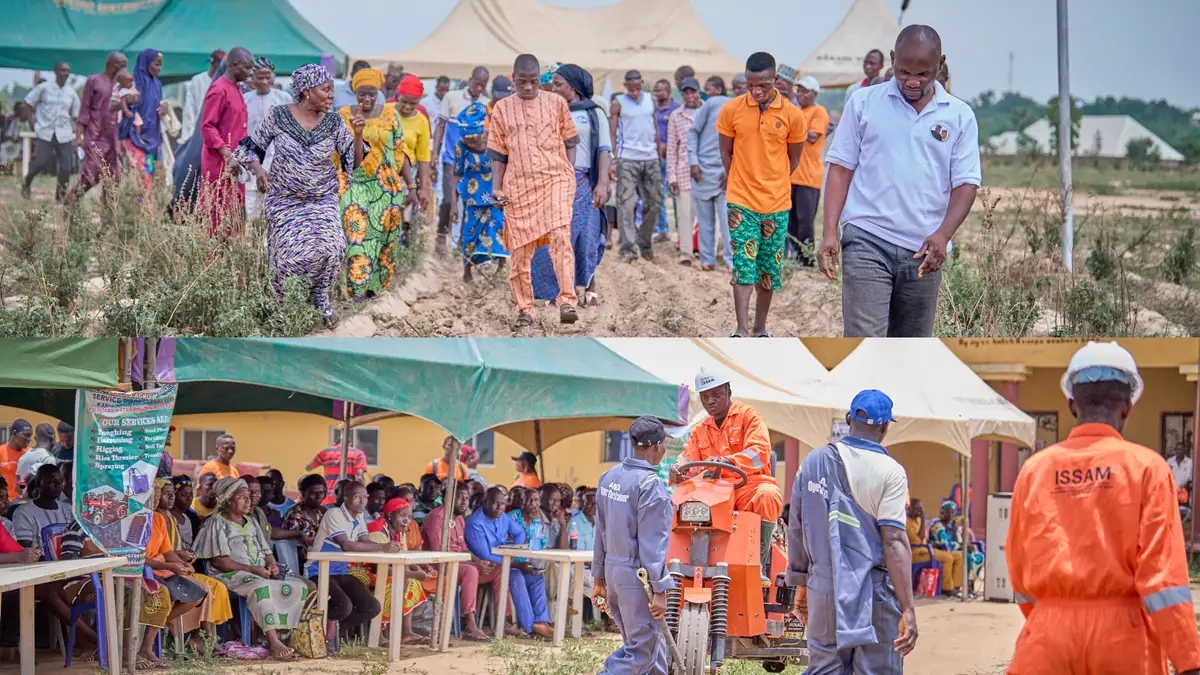
The events have attracted over 28,000 farmers across participating communities over the past couple of months. Early outcomes already indicate growing demand for mechanization services, with several MSP cooperatives securing new business engagements directly from the demonstrations.
An important feature of the Demo Days is the inclusion of farmer testimonials from individuals who have previously accessed mechanization services. These peer-to-peer experiences play a critical role in influencing adoption behaviors within rural communities, where trust and social proof remain central to decision-making around new technologies and services. The impact of this approach was captured powerfully by a farmer from Cluster 6A, Lizzen Keffi:
"I had over ten bags of maize to harvest, and these young people came to me and said they can do it for me in 1 hour with their machine. I thought it won't be possible. They multiplied what I will use 1 day to do in one hour. As a beneficiary of the ISSAM project through these MSPs, I am very grateful."
Another farmer from Cluster 3A, BurumBurum, Nasarawa, echoed similar enthusiasm, particularly after witnessing the operators' training firsthand:
"These young people really impressed me. They've been threshing rice, guinea corn, maize and everything for me. This is something to be grateful for. I even saw the operators training they were doing in the beginning of this week. God bless TracTrac."
Traditional rulers and community leaders have also actively participated in the events, helping to strengthen local legitimacy and community buy-in for mechanization adoption efforts.
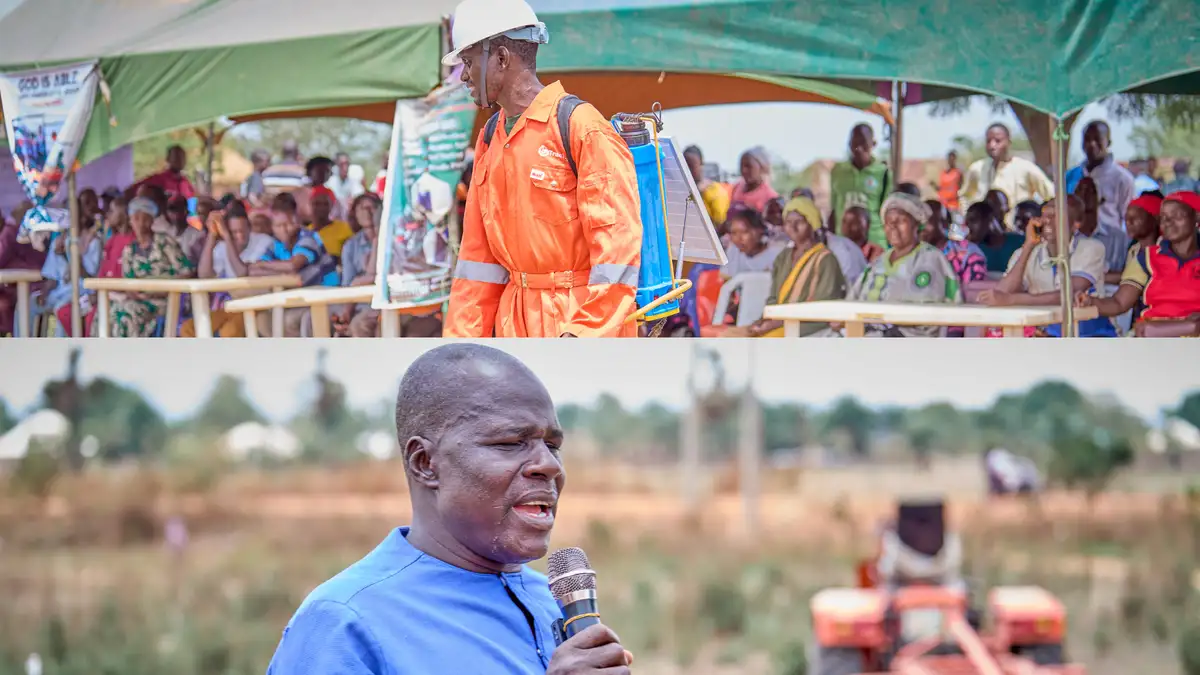
The operators' training and community demonstration model reflects ISSAM's wider market systems approach, which focuses not only on equipment deployment but also on strengthening the relationships, skills, trust networks, and service structures required for long-term sector growth. Through this approach, TracTrac is helping to build a more responsive and locally embedded mechanization ecosystem capable of improving productivity, expanding rural enterprise opportunities, and increasing resilience among smallholder farming communities.
The ISSAM project goal is to reach 135,000 smallholder farmers while building the capacity of thousands of mechanization entrepreneurs and service providers across Nigeria. The operator trainings and Demo Days are central to how we achieve this—by equipping service providers with the skills, credibility, and community connections needed to support smallholder farmers and build a thriving network of mechanization entrepreneurs across Nigeria.